
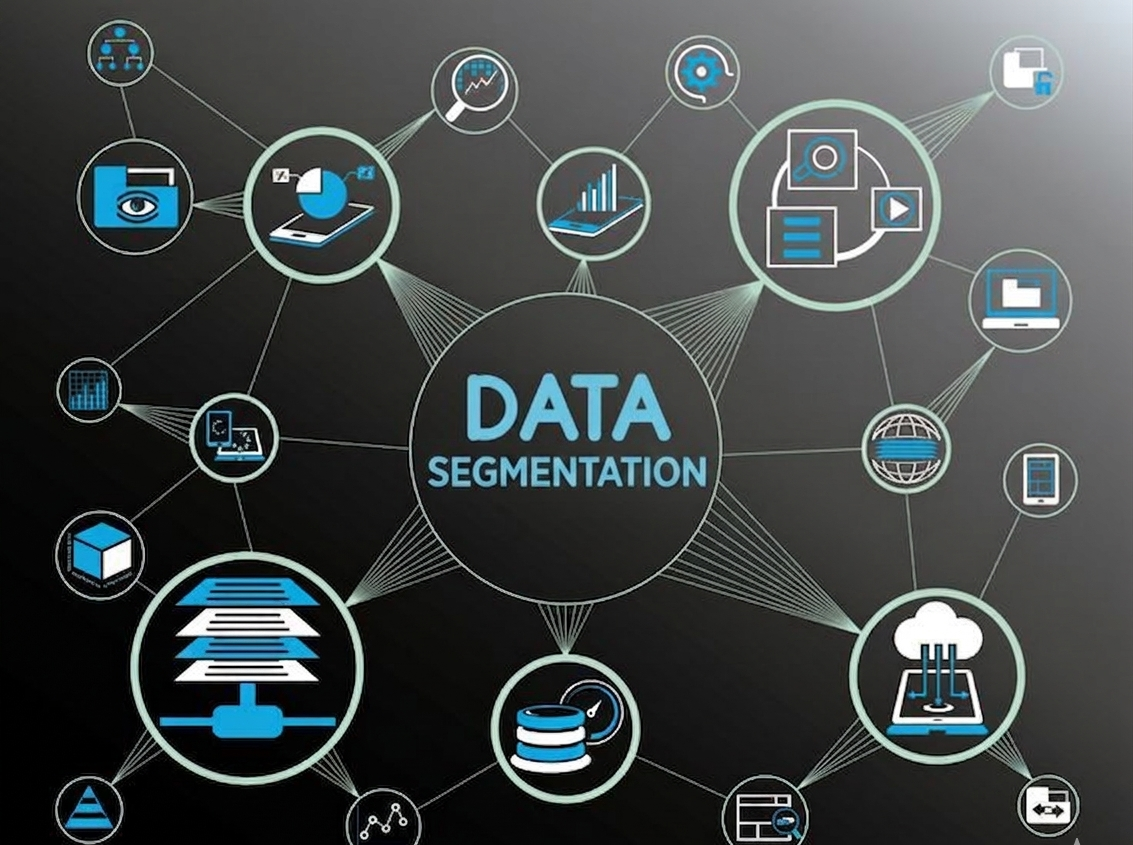
In today’s digital-first world, data is no longer just a supporting asset, it is the backbone of modern B2B marketing and sales strategies. Organizations that leverage data effectively consistently outperform those that rely on intuition or outdated mass-marketing approaches. One of the most powerful ways to unlock the true value of data is through segmentation.
Modern buyers expect more than generic outreach. They want personalized communication, relevant offers, and meaningful interactions at every stage of their journey. This shift in expectations has made data segmentation a critical capability for businesses aiming to stay competitive.
In fact, research highlights just how impactful segmentation can be. Marketers who segment their audience data have reported significant revenue growth, with some studies showing increases of up to 760%. Similarly, segmented email campaigns consistently outperform non-segmented ones, delivering higher open rates, stronger engagement, and better conversion outcomes.
But segmentation goes far beyond email marketing. It influences how businesses identify prospects, craft messaging, allocate budgets, and build long-term relationships. This guide will walk you through the fundamentals of data segmentation and explain how you can apply it effectively in your B2B strategy.
What Is Data Segmentation?
At its core, data segmentation is the process of dividing a large dataset into smaller, meaningful groups based on specific criteria. These criteria can include company size, industry, geographic location, buying behavior, engagement level, or any other relevant factor.
Instead of treating your entire audience as a single group, segmentation allows you to organize your data into structured categories. This makes it easier to analyze, understand, and act on.
Think of it this way: raw data without segmentation is like a crowded room where everyone is talking at once. Segmentation brings order to that chaos by grouping similar voices together, making it easier to listen, respond, and engage effectively.
For B2B organizations, segmentation is especially important because decision-making processes are more complex. Multiple stakeholders, longer sales cycles, and higher deal values require a more strategic and personalized approach.
Why Unsegmented Data Is a Problem
Many organizations collect vast amounts of data but fail to use it effectively. This often leads to what is commonly referred to as data overload or “data exhaust.” Without proper segmentation, this data becomes difficult to manage and even harder to use.
Unsegmented data can create several challenges:
- Poor decision-making – Without clear insights, teams rely on assumptions rather than data-driven strategies.
- Wasted marketing budget – Generic campaigns often target the wrong audience, leading to low returns.
- Reduced productivity – Sales and marketing teams spend more time filtering irrelevant data.
- Missed opportunities – High-potential prospects may be overlooked due to lack of clarity.
In short, having more data does not automatically translate into better outcomes. It’s how you structure and use that data that truly matters.
How Data Segmentation Solves This
Segmentation transforms raw data into actionable insights. By categorizing your audience into defined groups, you gain a clearer understanding of who your customers are and what they need.
This structured approach allows businesses to:
- Identify high-value prospects more easily
- Align marketing and sales strategies
- Deliver more relevant messaging
- Improve lead qualification processes
Most importantly, segmentation helps in building accurate Ideal Customer Profiles (ICPs). These profiles define the type of companies most likely to benefit from your product or service and are essential for account-based marketing (ABM) strategies.
Segmentation vs Targeting: What’s the Difference?
Although segmentation and targeting are closely related, they are not the same thing.
- Segmentation is the process of dividing your audience into groups based on shared characteristics.
- Targeting is the act of selecting specific segments and deciding how to engage them.
In simple terms, segmentation comes first. It lays the foundation for effective targeting by providing the structure needed to identify the right audience.
Without segmentation, targeting becomes guesswork. With segmentation, targeting becomes strategic and precise.
Key Benefits of Data Segmentation
When implemented correctly, segmentation can significantly enhance your marketing and sales performance. Below are some of the most impactful benefits:
1. Personalized Communication at Scale
Segmentation allows you to tailor your messaging for different audience groups. Instead of sending the same message to everyone, you can create customized content that resonates with specific segments.
This leads to better engagement, stronger relationships, and higher conversion rates.
2. Improved Lead Generation
By focusing on well-defined segments, your team can prioritize high-quality leads. This ensures that your efforts are directed toward prospects who are more likely to convert.
As a result, lead generation becomes more efficient and effective.
3. Better Customer Insights
Segmentation provides deeper insights into customer behavior, preferences, and pain points. These insights can be used to refine your strategies and improve overall performance.
Understanding your audience at a granular level gives you a competitive advantage.
4. Efficient Resource Allocation
Marketing budgets and sales efforts can be allocated more strategically when you know which segments deliver the best results.
Instead of spreading resources thin across a broad audience, you can focus on high-performing segments that drive ROI.
5. Stronger Account-Based Marketing (ABM)
Segmentation is a key driver of successful ABM strategies. By grouping accounts based on shared characteristics, you can create highly targeted campaigns for each segment.
This increases the chances of engaging decision-makers and closing deals.
6. Enhanced Customer Experience
Today’s customers expect relevant and timely interactions. Segmentation helps you meet these expectations by delivering personalized experiences across all touchpoints.
This not only improves satisfaction but also builds long-term loyalty.
7. Higher Return on Investment (ROI)
Ultimately, segmentation leads to better outcomes. By targeting the right audience with the right message at the right time, businesses can achieve higher conversion rates and improved ROI.
Practical Applications of Data Segmentation
Once segmentation is integrated into your strategy, your team can implement several high-impact actions:
- Develop customized email templates for different audience segments
- Create tiered Target Account Lists (TAL) based on priority
- Plan personalized follow-up strategies
- Identify upselling and cross-selling opportunities
- Optimize campaign performance through data-driven insights
These applications not only improve efficiency but also ensure consistency across marketing and sales efforts.
Getting Started with Data Segmentation
If you’re new to segmentation, the best approach is to start simple. Begin by identifying key criteria that are most relevant to your business, such as industry, company size, or engagement level.
As your data strategy matures, you can introduce more advanced segmentation techniques, including behavioral and predictive segmentation.
It’s also important to ensure that your data is clean, accurate, and regularly updated. Poor data quality can undermine even the most well-planned segmentation strategy.
Conclusion
Data segmentation is no longer optional, it is essential for any B2B organization aiming to grow in a competitive market. By transforming raw data into structured, actionable insights, segmentation empowers businesses to connect with their audience in more meaningful ways.
From improving lead generation to enhancing customer experience and maximizing ROI, the benefits of segmentation are far-reaching. More importantly, it provides the foundation for modern marketing strategies such as personalization and account-based marketing.